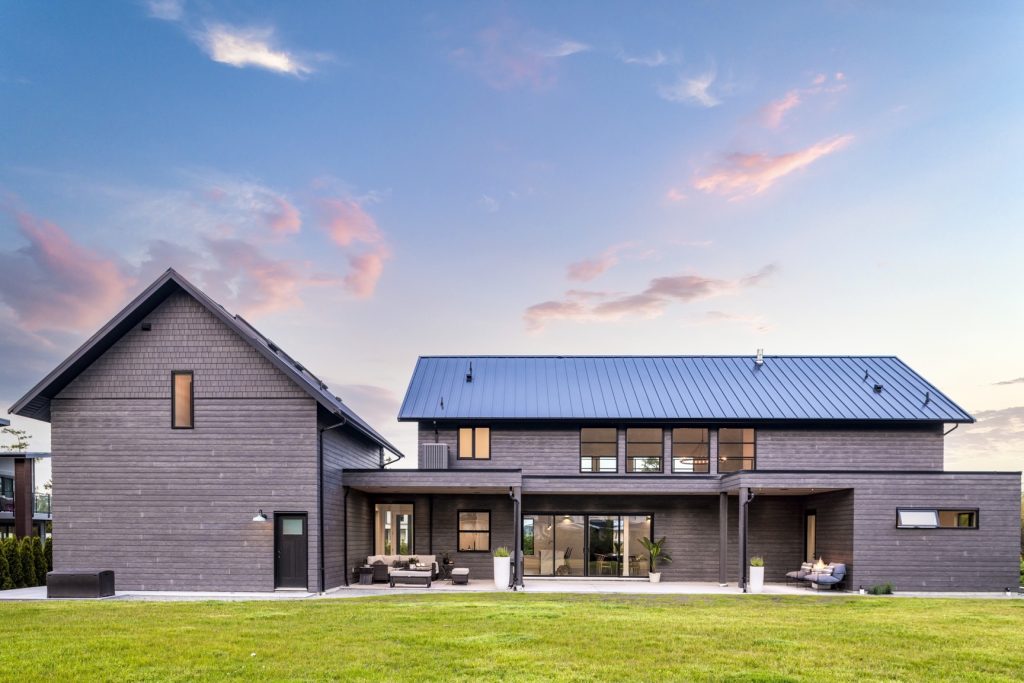
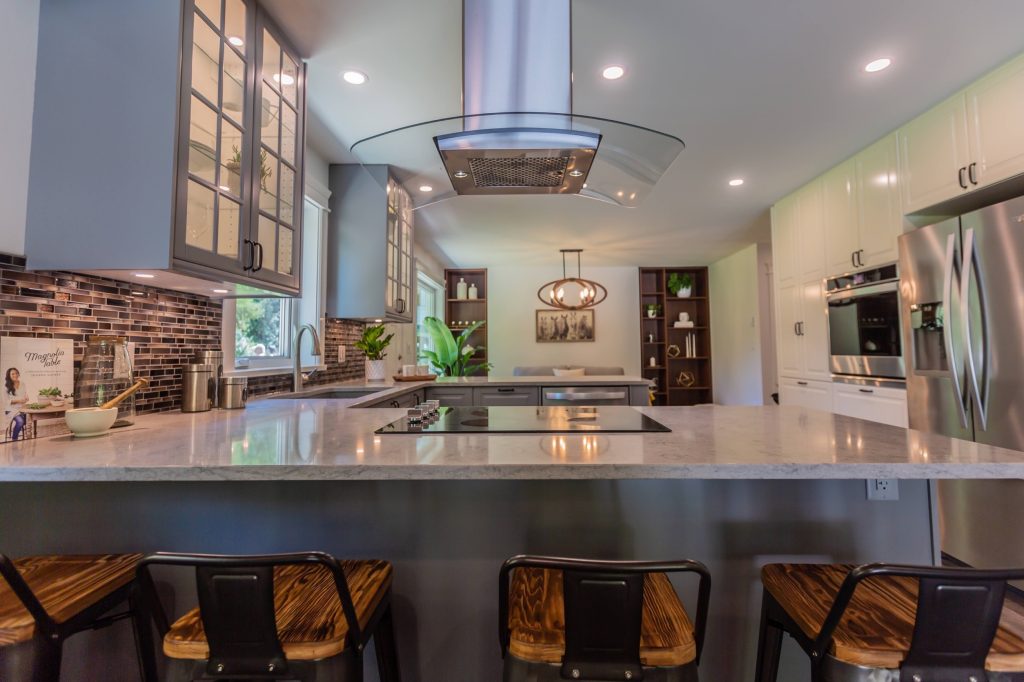
For many Langley families, a custom home is more than a place to live. It is an opportunity to create a space that supports long-term comfort, reduces energy use, and delivers better performance for generations. As building technology continues to evolve and homeowners place greater value on wellness and sustainability, energy-efficient custom homes have become a leading priority in the region.
At DMC Contracting, our approach to custom home building combines smart design, durable construction, and modern building science. The result is a home that performs exceptionally well, feels comfortable year-round, and requires less energy to operate. For families in Langley who want a healthier and more resilient home, energy-efficient building is the foundation.

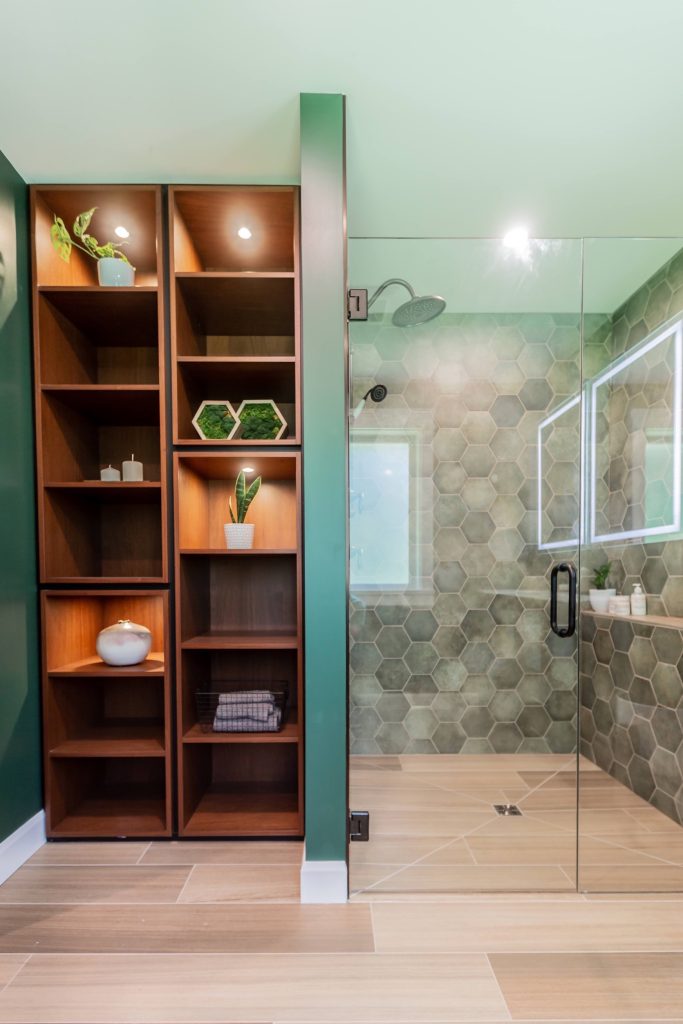
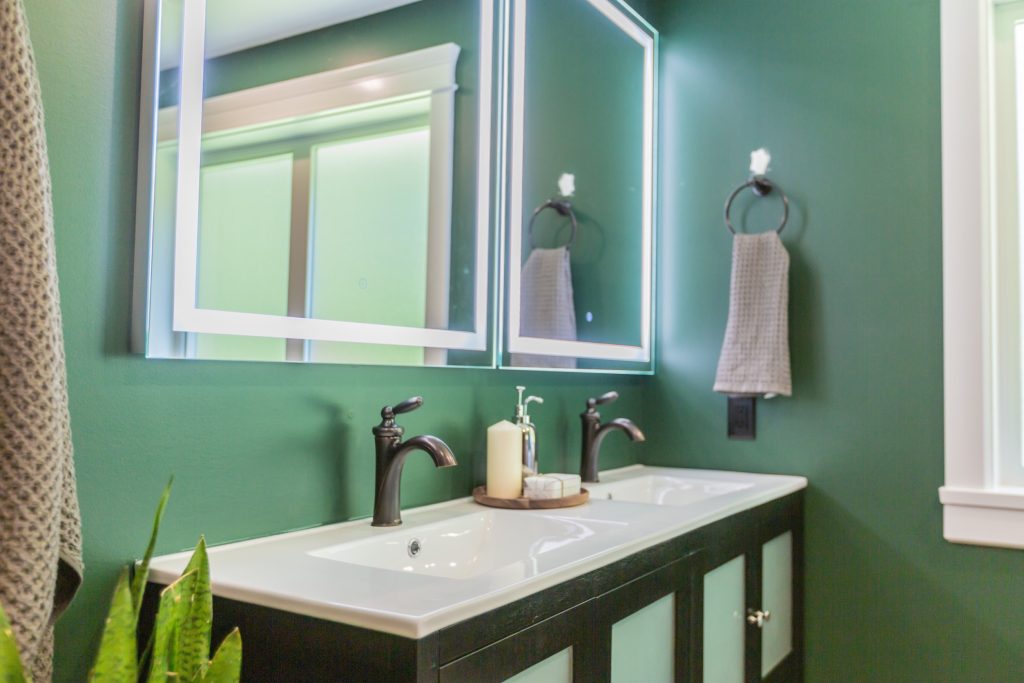

Why Energy Efficiency Matters in Langley
Langley’s climate offers warm summers, cool winters, and a mix of wet and dry seasons. Homes that are not designed for energy efficiency often experience temperature swings, drafts, moisture issues, and high utility costs. Modern families expect something better, and a custom home provides the opportunity to integrate improved design from day one.
Energy-efficient homes in Langley offer clear benefits:
- Reduced energy bills throughout the year
- More stable indoor temperatures with fewer drafts
- Better indoor air quality and moisture control
- Lower maintenance costs
- A smaller environmental footprint
- Increased long term value for resale
With the right planning, a custom home becomes a long lasting investment that performs better in every season.
What Defines an Energy-Efficient Custom Home
An energy-efficient home is more than the equipment inside it. True performance comes from the entire building system working together. This includes the shape of the home, the quality of insulation, the windows, the mechanical systems, and even the way sunlight enters each room.
The following elements are central in creating a high-performing custom home in Langley
A Strong Building Envelope
Everything begins with the envelope, which includes the walls, roof, foundation, windows, and doors. A strong envelope keeps conditioned air inside the home and prevents heat loss or heat gain.
Key features include:
- Advanced insulation in walls and ceilings
- Air sealing to reduce drafts
- High-performance windows suited to the local climate
- Carefully planned building shapes that limit heat loss
When the envelope is designed correctly, the home becomes quieter, more comfortable, and more cost-effective to operate.
High Performance Windows and Doors
Windows and doors play a major role in the energy performance of a home. High-quality products control heat transfer, block unwanted solar gain, and allow natural light without sacrificing comfort.
Many Langley homeowners choose:
- Triple pane windows for improved insulation
- Low-emissivity coatings to reduce heat loss
- Durable frames that resist weather and moisture
- Thoughtful placement to reduce overheating in summer
These upgrades improve comfort while adding beauty and value.
Smart Mechanical Systems
Energy efficient homes do not rely on oversized equipment. Instead, they use systems that are properly sized and strategically selected based on the home’s needs.
Popular options for Langley custom homes include:
- High efficiency heat pumps
- Heat recovery ventilators for clean indoor air
- On-demand hot water systems
- Zoned heating and cooling for balanced temperatures
- Modern thermostats that adjust based on daily routines
Together, these systems keep the home comfortable without unnecessary energy consumption.

Build a home that performs better in every season.
Speak with DMC Contracting to explore energy-efficient design options tailored to your Langley property.
Improved Indoor Air Quality
Healthy indoor air is one of the most important outcomes of building an energy efficient custom home. Better air sealing reduces outdoor pollutants and moisture, while controlled ventilation maintains consistent fresh air.
Benefits include:
- Reduced allergens and dust
- Better humidity control
- Lower risk of mould and moisture issues
- A healthier environment for families of all ages
For many Langley homeowners, improved air quality becomes one of the most noticeable advantages of building an energy-efficient home.
Sustainable Materials and Smarter Construction
Energy-efficient homes often incorporate materials and products that provide long-term durability and reduced environmental impact.
Common selections include:
- High-quality exterior finishes with longer life cycles
- Engineered lumber that reduces waste
- Recycled or low VOC interior materials
- Roofing systems designed for longevity and performance
These choices not only support sustainability but also reduce maintenance needs over time.
Design Considerations for Energy Efficient Living
Planning an energy-efficient home begins with thoughtful design that accounts for lifestyle, orientation, and long-term goals. During the planning stage, DMC Contracting works closely with homeowners to shape the home for maximum performance.
Orientation and Natural Light
The way a home sits on the property has a major impact on comfort. South-facing windows can capture warm sunlight during the winter months, while shading and overhangs help keep temperatures comfortable during summer. Good design maximizes natural light without relying heavily on artificial lighting.
Space Planning and Layout
Energy efficiency also depends on how the home is organized.
Important considerations include:
- Grouping rooms to reduce the amount of exterior wall exposure
- Designing compact shapes that limit heat loss
- Positioning bedrooms away from high solar gain areas
- Creating open spaces that allow natural air flow
Smart layouts support both comfort and efficiency.
Building for the Future
Families today want homes that evolve with their needs. Energy-efficient designs support long-term living by offering:
- Better durability
- Lower operating costs
- Improved comfort for aging in place
- Infrastructure for solar or electric vehicle systems
These features ensure that the home stays functional and efficient for decades.
The DMC Contracting Approach
Building an energy-efficient custom home requires experience, thoughtful planning, and close coordination between designers, trades, and homeowners. DMC Contracting guides Langley families through each stage of the process with a focus on quality and transparency.
Collaborative Planning
Every project begins with a detailed conversation about goals, lifestyle needs, and long term vision. This allows us to design a home that performs well while reflecting how the family lives.
Precision Construction
Our team works with trusted trades to ensure that every part of the home is built with care. From air sealing to mechanical installation, precision matters. We oversee every step to maintain performance standards.
Clear Communication
Throughout construction, homeowners receive regular updates and clear timelines. Transparency is central to delivering a home that meets expectations.
A Focus on Craftsmanship
Energy-efficient homes require a higher level of detail and coordination. DMC Contracting is committed to delivering workmanship that stands the test of time, both in function and in appearance.
The Long-Term Value of Energy-Efficient Homes
Building an energy-efficient custom home in Langley provides value that continues for years. Families benefit from:
- Lower monthly energy bills
- A more comfortable home in all seasons
- Better indoor air quality
- Reduced environmental impact
- Strong resale appeal
- A home built for future technologies
For many homeowners, the return on investment begins immediately and continues over the life of the home.
Start Building Smarter in Langley
Energy-efficient custom homes offer a healthier, more comfortable way to live. With thoughtful design and quality construction, your new home can provide lasting benefits for your family while reducing energy use and improving overall performance.
Ready to explore an energy efficient custom home in Langley? Contact DMC Contracting today to begin planning a home that blends comfort, sustainability, and long-term value.